
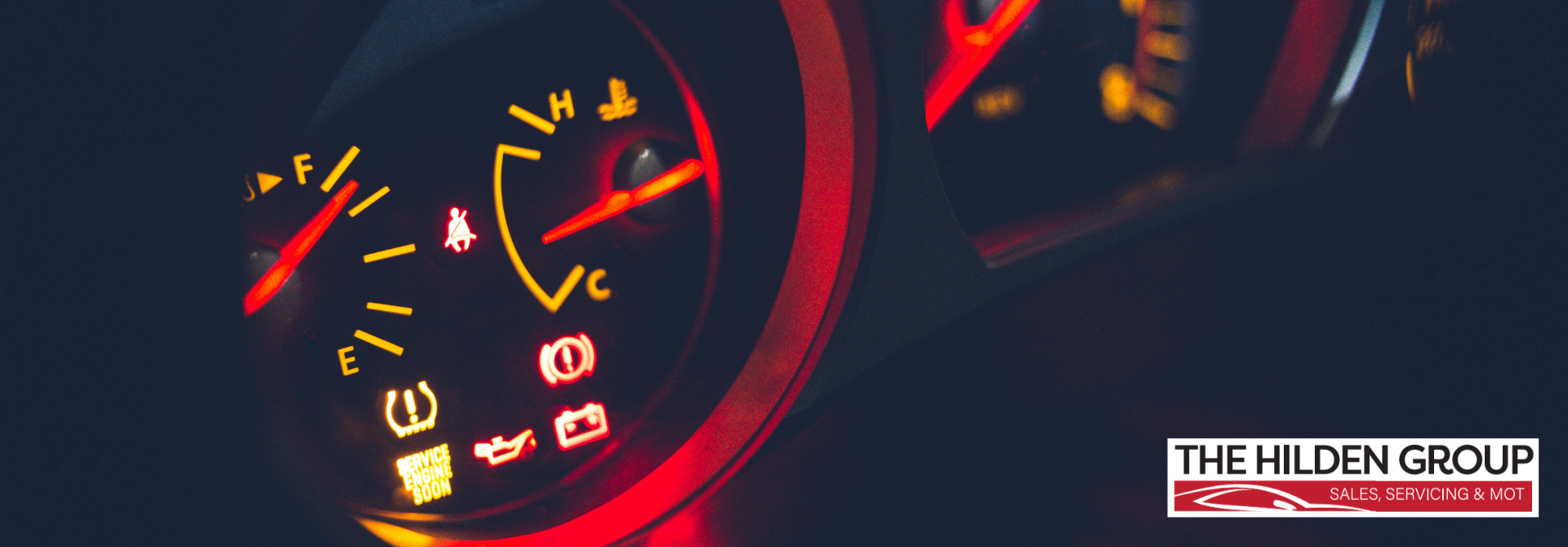
Modern cars are highly intelligent machines, constantly monitoring their own health through a complex network of sensors. When something goes wrong, your car communicates the only way it knows how: through the dashboard warning lights.
For many drivers, a sudden illuminated symbol can be a source of instant anxiety. However, there is no need to panic. At Hildenborough MOT and Servicing, we believe in honest, straightforward advice. Warning lights are simply early indicators designed to keep you safe and prevent minor faults from becoming expensive breakdowns. Understanding what these symbols mean, and precisely what you should do next, is the key to protecting your vehicle and ensuring your safety on the road.
The Quick Rule of Thumb: Red vs Amber
Before diagnosing specific symbols, it is highly useful to understand the universal traffic light colour system that vehicle manufacturers use, a standard echoed by motoring experts like the RAC. Knowing the colour of the light instantly tells you the urgency of the problem.
● Red Warning Lights: This indicates a serious and potentially dangerous problem. It means you must stop driving as soon as it is safe to do so. Ignoring a red light can lead to catastrophic engine damage or compromise critical safety features like your brakes.
● Amber or Yellow Warning Lights: An amber light means a system is not working correctly and requires attention. While it is not usually an immediate emergency, you should take extra care, adjust your driving, and book a car diagnostics check as soon as possible.
● Green, Blue, or White Lights: These simply confirm that a system (such as your headlights or cruise control) is switched on and operating normally.
(Note: Exact symbols can vary slightly depending on your make and model, so it is always wise to consult your vehicle’s handbook for specifics).
Warning Lights You Should Never Ignore
Oil Pressure (Red Oil Can)
● What it means: Your engine has lost oil pressure, meaning oil is not properly lubricating the moving parts.
● What to do now: Pull over safely and turn off the engine immediately. Check the oil level once the engine is cool.
● Can I keep driving?: No. Driving with this light on will destroy your engine in minutes.
Engine Temperature / Coolant (Thermometer)
● What it means: Your engine is overheating or your coolant levels are critically low.
● What to do now: Stop safely, turn off the engine, and allow it to cool completely before checking the coolant reservoir.
● Can I keep driving?: No. Continuing to drive can warp the engine block and cause total engine failure.
Brake System (Red Exclamation Mark or ‘BRAKE’)
● What it means: The handbrake is engaged, the brake fluid is low, or there is a critical fault in the braking system.
● What to do now: Check the handbrake is fully released. If the light remains on, test your brakes very carefully at a slow speed.
● Can I keep driving?: No. If the pedal feels spongy or unresponsive, you must not drive.
Battery / Charging System (Red Battery)
● What it means: The battery is not charging. The alternator could be faulty, or the drive belt may have snapped.
● What to do now: Turn off all non-essential electrical items like the radio and heated seats.
● Can I keep driving?: Yes, but only for a very short distance. The car will stop entirely once the battery runs out.
Engine Management Light (Check Engine Symbol)
● What it means: There is an issue with the engine, exhaust, or emissions system.
● What to do now: If the engine warning light is amber and the car drives normally, book a diagnostic check. If the light is flashing, it indicates a severe engine misfire.
● Can I keep driving?: If it is a solid amber light, yes, but drive gently. If it is flashing, no. Pull over and turn off the engine immediately.
ABS Warning (Yellow ‘ABS’)
● What it means: The Anti-lock Braking System has a fault.
● What to do now: Drive cautiously. Your normal brakes will still work, but the system will not prevent the wheels from locking during heavy braking.
● Can I keep driving?: Yes, but you need professional diagnostics to resolve the ABS light safely.
Airbag / SRS Warning (Seated Figure with a Circle)
● What it means: The airbag or seatbelt pretensioner system has a fault and may not deploy in a crash.
● What to do now: Drive carefully to a garage to have the system scanned.
● Can I keep driving?: Yes, but your safety systems are compromised and require immediate professional attention.
Power Steering (Steering Wheel Symbol)
● What it means: The power steering fluid is low or the electronic steering assist has failed.
● What to do now: Prepare for the steering to feel extremely heavy.
● Can I keep driving?: Yes, if you can safely maneuver the vehicle, but it is dangerous at low speeds.
Tyre Pressure Monitoring (Exclamation Mark in a Horseshoe)
● What it means: One or more tyres have low pressure or a puncture.
● What to do now: Pull over when safe and visually inspect your tyres.
● Can I keep driving?: Only to the nearest petrol station to check pressures, provided the tyre is not completely flat. Do not ignore a tyre pressure light.
DPF Warning (Diesel Particulate Filter)
● What it means: The exhaust filter is blocked with soot.
● What to do now: Check your handbook. Often, driving at a sustained speed (like 60mph on a dual carriageway) for 15 minutes can clear it.
● Can I keep driving?: Yes. However, if the DPF warning light stays on, you require a professional forced regeneration.
Need help with an unfamiliar symbol? Call us if a warning light has come on, or book a quick diagnostic check to find the root cause before it worsens.
Common Myths That Lead to Breakdowns
There is a lot of bad advice regarding dashboard warning lights. Falling for these common myths often leads to expensive repair bills:
1. “It drives fine, so it’s fine.” Many major faults, including timing issues or failing sensors, do not immediately affect how the car feels. By the time you notice a physical difference, the damage is already done.
2. “I’ll just clear it with a cheap scanner.” Clearing an engine warning light with an online code reader deletes the notification, but it does not fix the mechanical fault. The light will inevitably return.
3. “Warning lights are just faulty sensors.” While sensors can occasionally fail, assuming the sensor is the problem rather than the engine is a very dangerous gamble.
What to Do When a Light Comes On
If a dashboard warning light illuminates while you are driving, follow this simple process:
1. Stay calm: Note the colour of the light. Is it red or amber?
2. Note any symptoms: Listen for strange noises, watch for smoke, and feel for any loss of engine power.
3. Pull over safely: If the light is red, or if the car feels unsafe, pull over safely and turn off the engine.
4. Check the basics only if safe: Look at the tyre pressures or check the oil and coolant levels (only when the engine is completely cool).
5. Call for advice: Never guess. Contact a local garage for professional guidance on whether the car is safe to drive.
When to Stop Driving Immediately
Never attempt to “limp home” under the following conditions:
● The red oil pressure light illuminates.
● The temperature gauge maxes out or you see steam coming from the bonnet.
● The brake warning light comes on accompanied by a spongy brake pedal.
● You experience a severe engine misfire, sudden loss of power, or heavy exhaust smoke.
● The engine management light is flashing rather than remaining solid.
Prevention: How Servicing Reduces Warning Lights
The best way to prevent the sudden shock of a red dashboard light is through routine maintenance. Regular car servicing catches wear and tear long before it triggers a warning on your dashboard. During a professional service, technicians check fluid levels, inspect brake pads, and assess battery health. Staying on top of your maintenance schedule ensures your vehicle is perfectly prepared for MOT testing and prevents avoidable breakdowns.
Frequently Asked Questions
Q: Is it safe to drive with the engine management light on?
A: If the light is solid amber and the car feels completely normal, you can usually drive a short distance to a garage. If the light is red or flashing, you must stop immediately.
Q: What is the difference between a flashing and solid engine light?
A: A solid light means a fault has been detected that needs investigating. A flashing light signifies a severe engine misfire that is actively pumping unburnt fuel into the exhaust, which can destroy the catalytic converter.
Q: Can low tyre pressure trigger other lights?
A: Yes. Modern cars use the wheel speed sensors to measure tyre pressure. A flat tyre can sometimes confuse the system and trigger the ABS or traction control lights.
Q: Why does the ABS light come on?
A: The ABS light usually indicates a faulty wheel speed sensor, damaged wiring, or a problem with the ABS pump. It requires a diagnostic scan to pinpoint the exact failure.
Q: Can a low battery cause multiple warning lights?
A: Yes. Modern vehicles rely heavily on stable electrical voltage. A dying battery or a failing alternator can cause multiple unrecognised warning lights to illuminate randomly.
Q: Will an MOT fail if a warning light is on?
A: Yes. Warning lights for critical safety systems, including the engine management light, ABS, tyre pressure monitoring, and airbags, are classed as major or dangerous defects under the official GOV.UK MOT inspection standards.
Get Expert Help Today
Do not leave your safety to chance. If a warning light is currently displaying on your dashboard, bring your vehicle to Hildenborough MOT and Servicing. We guarantee quick inspections, clear explanations, and no work is ever carried out without your full approval.
Explore our offers and plans to see our fair, transparent pricing, or contact us today to book your diagnostics, MOT, or routine servicing.